
Key Points
- Prediction markets now open ways for wagering on sports, politics, and personal events, creating a sense of pull where sports betting still stays illegal across states.
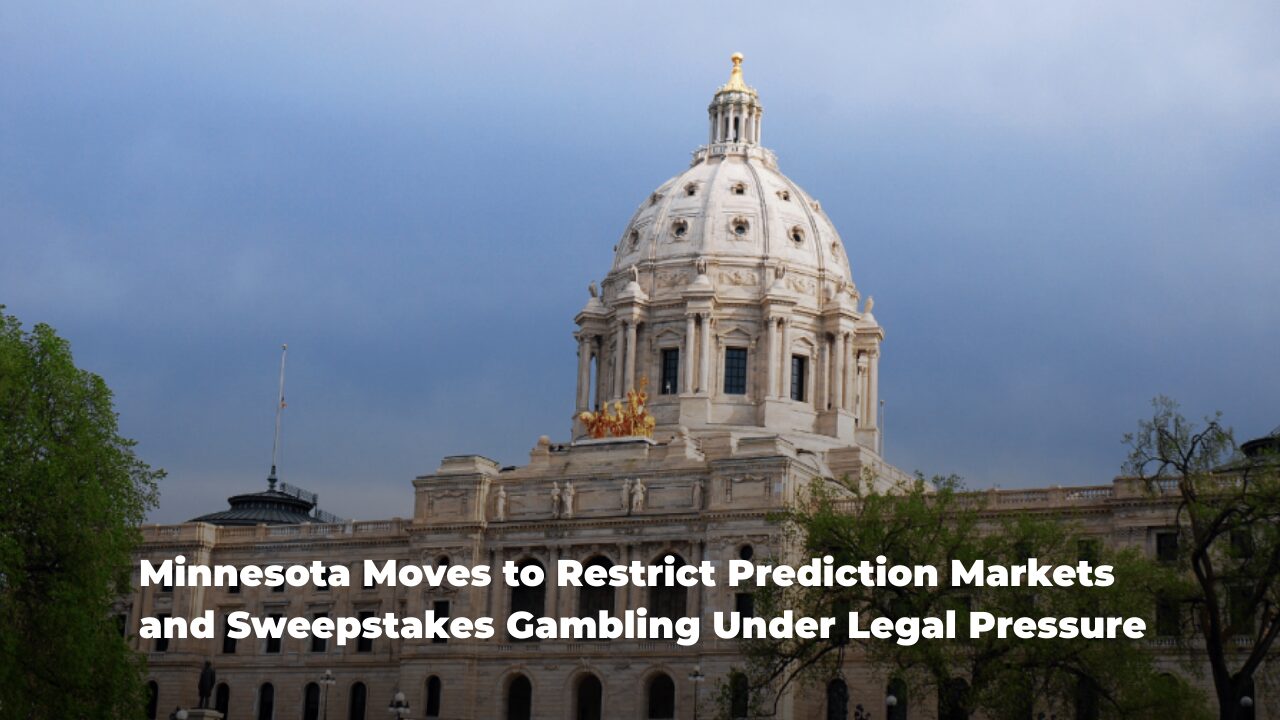
- In Minnesota, lawmakers brought two bills forward to criminalise certain prediction markets and also block sweepstakes-style online casino games, showing clear urgency.
- The proposed laws carry felony penalties, include limits on advertising, allow enforcement action, and may impose a ten-year licensing ban on those who break rules.
The great debate at the Minnesota Capitol over sports betting seems to have gone on the back burner, as prediction markets give users the chance to put their money down across a much wider range of areas than traditional sportsbooks have covered to date. These platforms are growing at a frantic pace, with operators like Kalshi and Polymarket allowing people to have a punt on just about anything, whether it’s sports, politics, or even wars, while FanDuel and DraftKings are now following suit in states where betting is still a no-go. Opponents feel uneasy, saying prediction markets act like an unregulated system where the state, tribes, and casinos receive no revenue share unlike structured sportsbook systems. Operators respond firmly, arguing these activities do not count as sports betting but instead resemble trading shares on a stock exchange, which creates a complex grey area.
Minnesota Lawmakers Clash Over Regulation of Prediction Markets
Former state Representative Pat Garofalo has come out as a critic saying that despite being called different things, prediction markets are basically the same as sports betting and he pointed out that even the people who like the idea of them want some clear rules of the road. On the flip side though State Senator John Marty is sounding the alarm that these platforms are still operating in a grey area; in other words, they’re basically facilitating shady dealings & corruption with ease and in his opinion that’s gonna end up making things even worse for people struggling with addiction & mental health problems. He’s still saying he’s not giving up on pushing legislation to ban them in Minnesota. He figures the state needs to step up & take action especially since the Feds are lagging so far behind on addressing this whole mess. Efforts to regulate this industry now face pressure, as several states move through legal action against operators while the federal Commodity Futures Trading Commission signals resistance. This conflict creates tension and raises concern that the fast growth of prediction markets could weaken ongoing efforts to legalise sports betting in Minnesota.
Reports suggest states with legal betting could lose revenue if users shift toward these alternative platforms, which changes how participation flows. Inside these markets, users can buy contracts such as the Minnesota Wild winning the Stanley Cup, where a ten-dollar stake returns two hundred twelve dollars if successful. That potential return draws attention, showing why users feel pulled toward participation despite rising concerns around regulation and fairness. The range of wagers moves further, including predictions on whether Governor Tim Walz will face criminal charges by year’s end, currently holding a twenty one percent probability. Another contract asks if a federal agent will face charges linked to the shooting death of Alex Pretti, which holds a nine per cent likelihood. Some markets even focus on unusual incidents, such as guessing what substance was sprayed on Representative Ilhan Omar during a recent town hall event.
Options include urine, poison, and bacon grease, each assigned a probability below one per cent, which raises concern among lawmakers. These types of wagers increase discomfort, especially around risks that individuals may influence outcomes, such as lawmakers betting on policies they can affect directly. In response, Minnesota lawmakers introduced two bills on sixteen March aiming to restrict prediction market contracts and sweepstakes-style casino platforms. These proposals target online wagering products that currently operate outside the state-regulated gambling system, raising urgency for control measures.
Proposed Law Targets Unregulated Betting Sites
Lawmakers push Senate File 4511 hard because fear grips them over wild prediction markets. This bill creates fresh crimes for anyone who runs platforms where people trade bets on future events. Operators face felony charges when bets link to sports results, casino outcomes, political races, policy shifts, disasters, or even the death and injury of individuals. Minnesota prisons and heavy fines await those convicted under this tough new rule. Companies that keep processing payments after the attorney general sends a cease-and-desist letter feel real panic now. Anyone found guilty loses the chance to hold a gaming licence in Minnesota for ten full years. The new crimes start on 1 August 2026 and only cover actions from that date forward. Horse racing pools and private social bets between friends stay safe and untouched.
Another bill, Senate File 4474, attacks online sweepstakes casinos with fierce determination. Nobody can run, push, or host these fake gambling sites inside Minnesota borders anymore. Sweepstakes games mix slot-machine play with two-currency tricks so players chase actual prizes. Banks, payment firms, geolocation companies, and media partners all share the blame if they help these sites. State officials gain power to block money flows that feed these operations without mercy. Anyone who breaks the rule faces the same stiff penalties that already protect Minnesota consumers. Yet excitement still burns among leaders because they have not killed the dream of legal sports betting completely. Fresh worries rise fast as prediction markets spread like fire across the state.
Explore more:
 Share
Share


 43 views




 Analysis
  Blog
Blog  Business
  Companies
  Crime
Crime  Finance
  M&A
M&A  Regulation
  Reports