

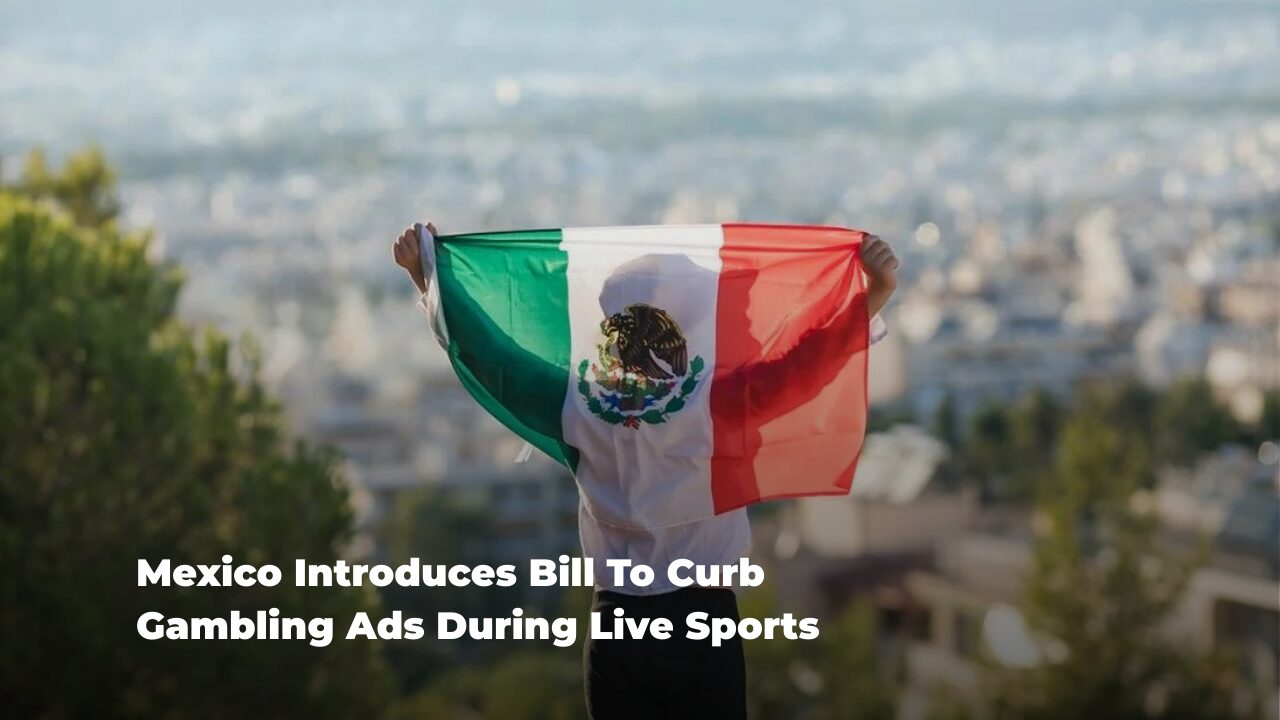
Mexico has introduced a bill to tighten restrictions on online gambling advertising during live sports broadcasts. Federal Deputy Jericó Abramo Masso is sponsoring the proposal in the Chamber of Deputies.
Masso argued that betting promotions frequently present gambling as a shortcut to financial gain. He described such campaigns as selling “easy money” under a false narrative and warned that the messaging risks harming youth development and fuelling problem gambling.
Parents have voiced concerns about the volume of betting advertisements embedded in sports coverage. Many argue that repeated exposure makes online wagering appear routine, or even glamorous.
Advertising Restrictions To Be Introduced Ahead of 2026 World Cup
The bill has gained urgency ahead of the FIFA World Cup 2026, which will take place from 11 July to 19 July across sixteen host cities in the United States, Mexico and Canada. Mexican host cities include Guadalajara, Mexico City and Monterrey. The tournament will mark the third time Mexico has hosted or co-hosted the men’s World Cup.
Lawmakers expect a spike in gambling promotions during the competition. The proposed framework seeks to prevent operators from concentrating advertising during matches likely to attract family audiences.
Under the draft text, online gambling companies would be barred from airing betting advertisements during designated family friendly viewing hours. These time slots are defined as periods when children are most likely to be watching sports broadcasts.
Proposed Limits and Regulatory Oversight
Masso stressed that the initiative does not prohibit betting companies from operating in Mexico. He said the goal is to shield minors from messaging that distorts perceptions of gambling and encourages unhealthy practices.
Operators would still be permitted to advertise outside restricted hours. The bill leaves room for further refinement as it proceeds through committee discussions, where legislators may adjust definitions and compliance requirements.
All gambling advertisements must receive approval from Mexico’s Secretariat of Interior (SEGOB). This federal department oversees domestic affairs and internal political matters. The proposal also calls for mandatory responsible gambling messaging and avoiding promotion of excessive play.
The restrictions would apply to both free-to-air and subscription television channels.
Regional Context and Legislative Path
Gambling is permitted in Mexico, provided operators obtain authorisation from the competent authority. The country relies on a regulatory framework dating back to 1947, which does not explicitly address online gambling.
Neighbouring jurisdictions have taken different approaches. In Guatemala, most forms of gambling remain illegal, although unregulated venues operate in practice. Belize has established a licensing system under its Gaming Control Act and accompanying Online Gaming Regulations. In the United States and Canada, gambling is regulated at state or provincial level, allowing online betting within defined local frameworks.
The Mexican bill now moves into the legislative process for committee review, debate and potential amendment. Approval is required from both chambers of Congress before it can be sent to the President. The executive may sign the measure into law or exercise a veto. Only publication in the Diario Oficial would bring the new advertising rules into force.
Explore more:
 Share
Share


 49 views






 Analysis
  Blog
Blog  Business
  Companies
  Crime
Crime  Finance
  M&A
M&A  Regulation
  Reports