

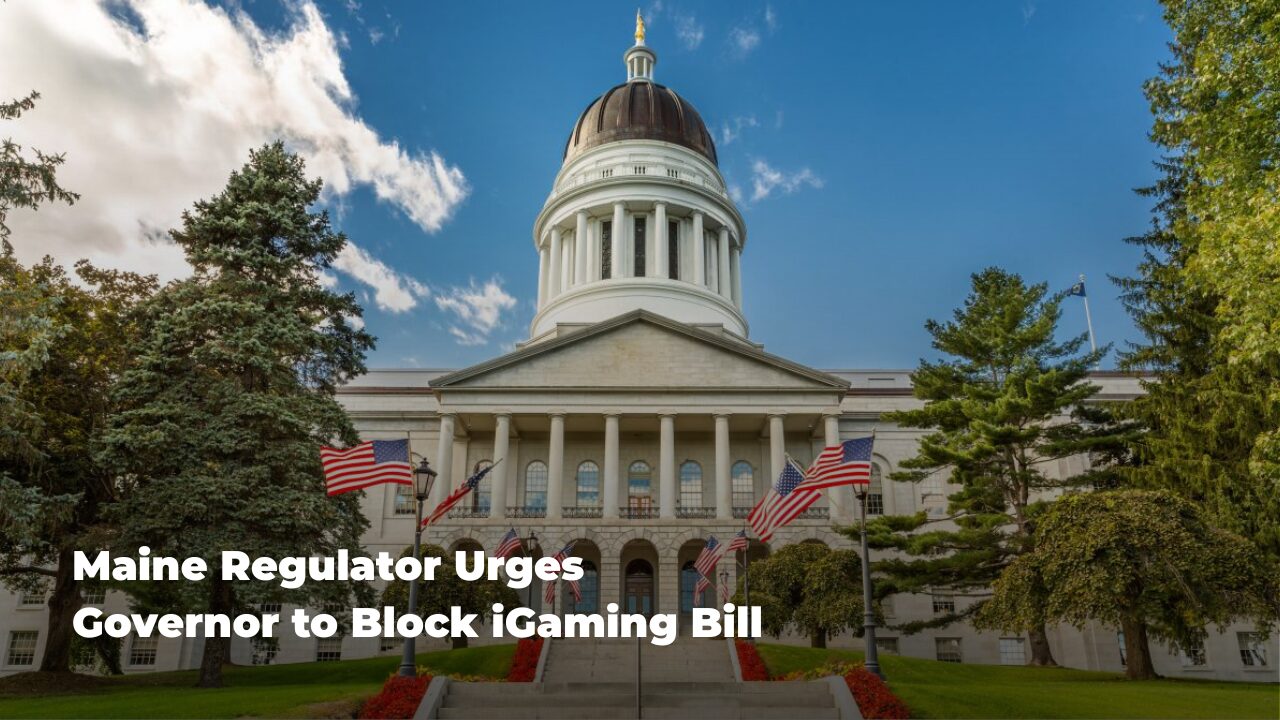
Maine is at the center of a big debate over online casino gaming as state regulators urge the governor to reject a bill that could change the gambling industry. The bill, called LD 1164, would allow internet casino games like blackjack, roulette, and digital slot machines across the state.
Supporters say the bill could bring in new revenue, but critics are worried about gambling addiction, fairness, and weak oversight. The proposal has created strong disagreements between regulators, lawmakers, casino operators, and the state’s tribal nations.
What LD 1164 Would Do
LD 1164 was passed by Maine’s legislature in 2025. The bill would allow online casino gaming across the state but gives exclusive rights to the state’s federally recognised tribes. This means commercial casinos could not run online casino platforms, although tribes could work with big national gaming companies.
Under the plan, control of iGaming would go to the Wabanaki Tribes, who already have experience with sports betting partnerships with companies like Caesars and DraftKings. Supporters say this respects tribal sovereignty and creates a new market, but opponents argue it excludes businesses that have already invested in land-based casinos in the state.
Board Votes to Call for Veto
The Maine Gambling Control Board, which manages casino gaming and focuses on protecting players, has taken a clear stance. In a unanimous 5 to 0 vote, the Board sent a letter to Governor Janet Mills urging her to veto the bill.
The governor has until 10 January to make a decision. If she signs it, LD 1164 will become law. If she vetoes it, lawmakers could still override her with a two-thirds vote. If she does nothing, the bill will automatically take effect.
The Board is concerned that having a separate system for online casinos could cause confusion and weak oversight. It pointed to past issues during the start of sports betting as an example of what can go wrong when regulation is handled by different agencies.
Monopoly Fears and Wider Impact
One major concern is that the bill could give tribes a monopoly over iGaming. Regulators say this would reduce competition and harm existing casinos. FanDuel and commercial operators also warn it could lower tax revenue and affect funding for schools and community programs. Health officials are worried too, since online casinos are open all the time, increasing the risk of gambling addiction.
Even if the governor vetoes the bill, supporters believe they have enough votes to override her decision. Lawmakers are set to return on 7 January, and debates over LD 1164 are expected to be closely watched. The outcome will decide how online gambling is regulated in Maine and could shape the state’s approach to iGaming, tribal partnerships, and consumer protections for years to come.
Explore more:
 Share
Share


 124 views







 Analysis
  Blog
Blog  Business
  Companies
  Crime
Crime  Finance
  M&A
M&A  Regulation
  Reports