
Key Points
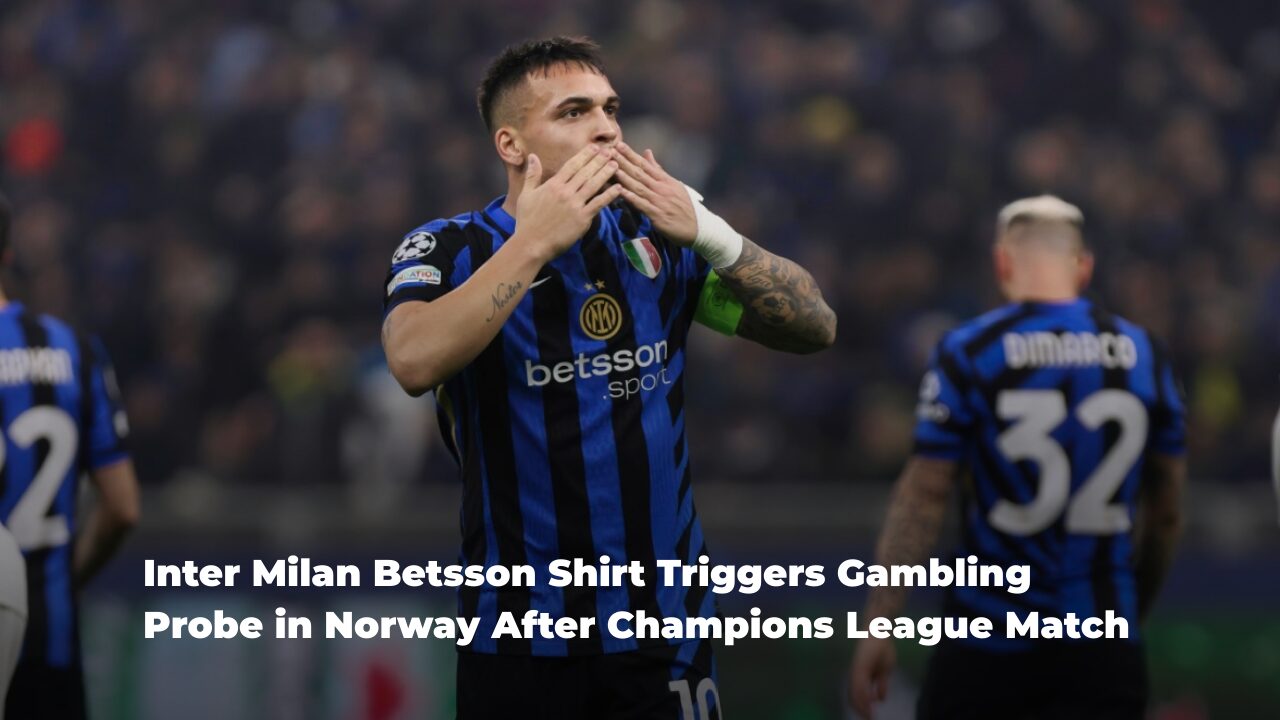
- Norway gambling regulator opened an investigation after Inter Milan entered a match with Bodø/Glimt on 18 February wearing Betsson.sport shirts.
- Law in Norway permits promotion of gambling only by state operators Norsk Tipping and Norsk Rikstoto while blocking advertising from operators without a licence.
- Authorities now review whether Inter Milan or match organiser Bodø/Glimt may face sanctions under the Gambling Act.
Authorities in Norway started a formal probe after Inter Milan entered a UEFA Champions League match wearing shirts showing the Betsson.sport name. Concern started when the club from Italy stepped onto the field at Aspmyra Stadion on February 18 to play Bodø/Glimt with Betsson.sport across kits. The Champions League game took place in Norway where Bodø/Glimt beat Inter Milan with a 3–1 score after a night of emotion. Joy among supporters soon mixed with concern as attention moved toward the sponsor on Inter Milan shirts and raised questions among fans and regulators. The matter then moved to Lotteritilsynet after statements reached Aftenposten, the largest printed newspaper in Norway. Regulators now study how national gambling marketing rules apply when football clubs from other countries enter matches in Norway.
Norway Gambling Advertising System
Norway runs a gambling system with strict control and uses a monopoly model for services inside the country. Only Norsk Tipping and Norsk Rikstoto with nonprofit organisations and licensed bingo providers can run legal gambling activity in the market. The Norwegian Gambling Act blocks sponsorship and other promotion from betting brands that do not hold licences inside the country. Lawmakers built the legislation to keep gambling services under public control and reduce harm and social problems linked to gambling. Tore Bell, Director at Lotteritilsynet, said the marketing ban covers any activity that promotes unlicensed gambling operations. This ban includes advertising, public statements, and actions that encourage people to take part in gambling services without a licence. Bell also explained that shirt sponsorship falls under the ban if the promoted name carries a clear link with gambling services. That view gains importance now because the Betsson name still holds recognition among people in Norway after years of presence.
Norway Market Experience of Betsson
Betsson remained active inside the Norwegian market for almost twenty years, building a lasting connection between the Betsson name and gambling activity. The company does not run gambling services in Norway today, yet earlier activity still shapes how regulators examine the brand. Current regulatory attention also relates to enforcement decisions that authorities made against the operator during previous years. In the year 2021 Lotteritilsynet issued a warning together with a cease and desist order against BML Group Limited. BML Group Limited operates as the corporate organisation responsible for Betsson operations across gambling markets. The regulator reached that step after deciding the company supplied gambling services to consumers in Norway without a licence.
BML Group Limited managed several gambling brands that included Betsson, Betsafe, NordicBet, CasinoEuro and Norgesautomaten. Regulators then applied pressure using payment blocking systems together with enforcement orders aimed at stopping market operations. Under this pressure several operators linked to Betsson chose to withdraw from the Norwegian market. Following those developments Betsson gambling products stopped operating for players located within Norway. Still the Betsson name continues to carry a connection with gambling inside the country because of its market presence and enforcement record. The shirt sponsorship originates from a commercial agreement revealed earlier between Inter Milan and Betsson Group.
In July 2024 both parties announced a four-year partnership placing the Betsson infotainment brand on Inter Milan match kits. This structure reflects a system used across Italy where regulations prevent clubs from showing direct gambling sponsors on shirts. Clubs therefore present infotainment or foundation brands connected to gambling companies to maintain revenue streams without betting promotion. Regulators in Italy and Belgium accepted this arrangement in previous situations involving gambling sponsorship. Authorities in those countries examine whether branding promotes gambling activity directly or presents media or infotainment services instead. Norway applies a regulatory framework that places tighter control on promotions connected with gambling activity.
When branding leads people toward unlicensed gambling activity regulators may treat the action as a breach of the Gambling Act. This judgment may occur even if the promoted product does not offer gambling services itself. Inter Milan built its defence by focusing on the difference between gambling services and sports information content. Club officials stated that Betsson.sport promotes an application that provides sports results and sports content rather than betting services. Regulators did not accept the explanation immediately and Bell confirmed that the authority will examine the argument closely. Bell also noted that regulators may still decide the justification does not meet requirements under the law.
Liability Debate and Potential Penalties
Responsibility now forms the centre of discussion as authorities consider who may answer for a possible breach linked with the sponsorship display. While the dispute began with the Inter Milan shirt sponsor, regulators must decide whether sanctions target the visiting club or the organiser. Lotteritilsynet confirmed communication remains active with Bodø/Glimt while officials continue reviewing the circumstances surrounding the match. At this moment the authority has not contacted Inter Milan or Betsson and stated no enforcement step or final conclusion exists yet.
Bell explained that regulators view Bodø/Glimt’s conduct during match organisation as orderly under the current understanding. However he accepted that authorities still need to consider whether Inter Milan itself could face sanctions under Norwegian law. The Gambling Act allows regulators to apply enforcement measures when marketing bans are violated. Possible actions may involve orders requiring cessation and correction of breaches along with coercive fines and administrative infringement fees. Bodø/Glimt insists the club followed established procedures before hosting the Champions League match against Inter Milan. Niklas Aune Johnsen stated that foreign teams receive warnings in written and spoken form regarding Norway’s alcohol and gambling advertising rules.
Officials from the Norwegian club confirmed Inter Milan received this information before the February 18 fixture. Inter answered that its federation had already reviewed the matter and considered the sponsorship acceptable under its understanding. According to Johnsen the Norwegian club accepted that explanation and therefore avoided further discussion about the sponsor on matchday. The episode reveals how regulatory compliance becomes complex when international competitions introduce sponsorship agreements into different legal systems. Debate among regulators may focus on more than whether Betsson.sport application provides gambling services. Authorities will assess whether the Betsson name itself acts as indirect marketing toward people located in Norway.
The case also affects preparation for the next Champions League round involving Bodø/Glimt. During that stage the Norwegian club will face Sporting Lisbon which also displays a gambling sponsor across its team shirts. Clubs involved already agreed on adjustments before the match occurs within Norwegian territory. Bodø/Glimt representatives confirmed Sporting will use another sponsor when the team plays the match in Norway. Betsson previously demonstrated similar adjustments in other countries with gambling advertising restrictions. The company sponsors Club Brugge which played Atlético Madrid in the Champions League on February 24, 2026. During that match in Spain where gambling shirt sponsors face prohibition, Betsson transferred the shirt position to the Club Brugge Foundation.
Players carried the message No Hearts No Glory during the match to promote blood and plasma donation. This action supported the operator’s commitment to partnerships and community initiatives connected with sponsorship activity. The change also prevented regulatory scrutiny while the club competed in Spain where gambling advertising rules apply. Sponsor replacement now appears more often when clubs enter jurisdictions with marketing rules targeting gambling companies. Teams also make similar adjustments when betting branding might appear in matches involving underage players. Authorities in Norway continue the investigation and have not reached a final outcome yet. Even so the case highlights enforcement difficulty when football competitions move across borders and meet strict gambling regulations.
Explore more:
 Share
Share


 61 views



 Analysis
  Blog
Blog  Business
  Companies
  Crime
Crime  Finance
  M&A
M&A  Regulation
  Reports