

Key Points
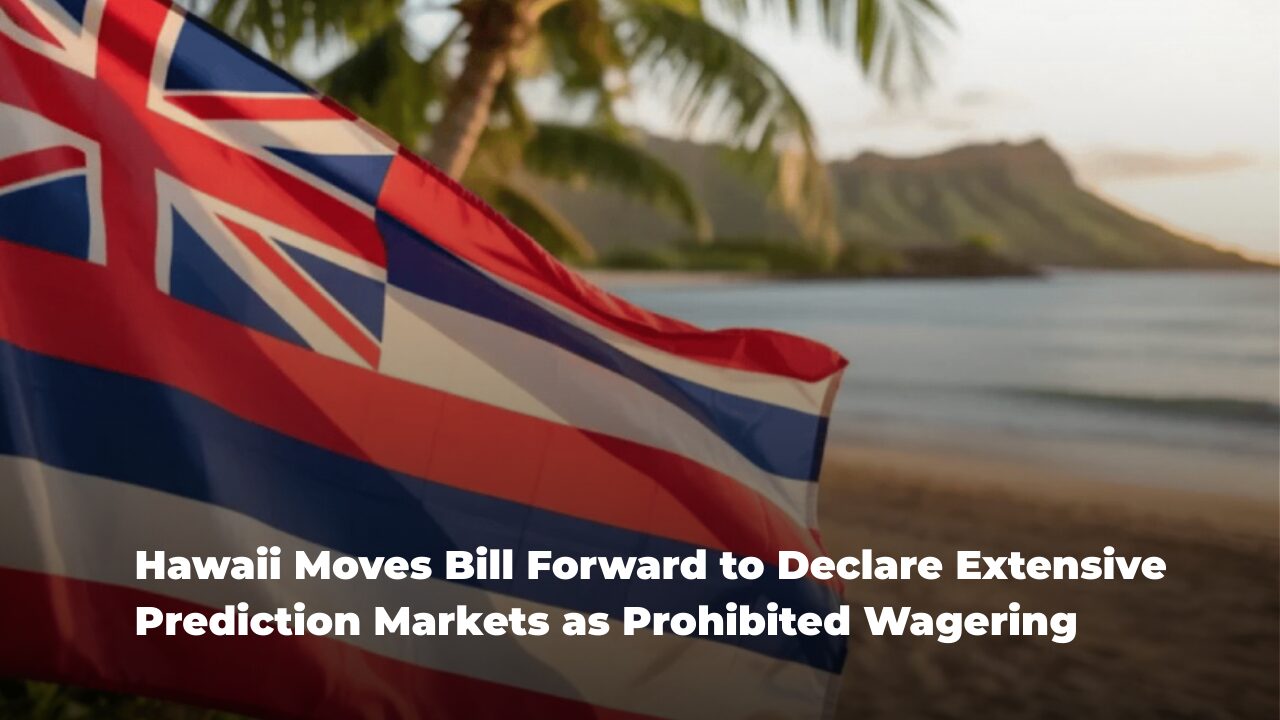
- House Bill 2198 seeks to label various prediction markets as illegal gambling under the Hawaii statutes.
- The measure appeared on 28 January and gained unanimous support from the House Committee on Consumer Protection and Commerce within days.
- HB 2198 widens Hawaii’s gambling interpretation to cover particular event-based financial trading types.
- The proposal addresses contracts relating to sports, contests, people, politics, major disasters, public health emergencies, catastrophes, and death-related outcomes.
- The measure contains no regulatory or licensing provisions for prediction markets.
- Implementation begins on 1 July if approved, creating a brief adjustment period.
Hawaii’s House Committee on Consumer Protection and Commerce unanimously supported House Bill 2198 shortly after its introduction, sending the measure to second reading status. The Hawaii House received HB 2198 on 28 January with the first reading occurring immediately.
The proposed law declares extensive prediction market varieties as illegal gambling under Hawaii statutes and tightens state controls over event-based financial trading. Current law modifications broaden gambling definitions by including certain financial betting types dependent on future events, preventing such activities statewide.
Removing the Loopholes
Buying, selling, or speculating financially on securities or commodities becomes betting under HB 2198 when outcomes depend on future contingent events. Sports events, prize contests, and events featuring people fall within the bill’s scope. Political acts, elections, major disasters, public health emergencies, catastrophes, and death-related outcomes receive coverage too. Broad language captures these activities regardless of athletic involvement or trading versus wagering appearance.
Real futures contracts and insurance currently enjoy exemptions from Hawaii’s gambling categories. HB 2198 reduces that exemption by listing specific results and outcomes that lose protected status. Bill findings emphasise growing consumer-facing financial platforms that enable profit from real-world events. Legislators assert these platforms allow speculation on athletics, politics, catastrophe, and death while generating financial motivations. These ethically problematic outcomes exploit gambling framework gaps rather than serve legitimate financial markets, according to the bill.
The proposal omits regulatory mechanisms or licensing protocols for prediction markets entirely. Instead, criminal prohibition functions as the enforcement tool through merging these products with gambling definitions. Operators carry responsibility for avoiding contracts tied to forbidden outcomes in Hawaii. Supporters argue that altering structures, names, or development approaches cannot mask the true nature when results match prohibited classifications. Lawmakers seek to prevent operators from adjusting prediction contract structures to avoid enforcement.
Hawaii Democrats Push New Gambling Legislation
Hawaii House Democrats numbering over twelve have endorsed this legislative measure. July 1 marks the law’s effective date if legislative requirements are met successfully. This schedule allows minimal time for compliance preparations. Gaming introduction efforts have repeatedly failed in legislative sessions. Last year sports betting legislation nearly passed before a dramatic failure occurred. Tax rates, licensing fees, regulatory structures, and gambling opposition created conflicts that killed it.
Federal regulation of prediction markets including Kalshi and Polymarket comes from the Commodity Futures Trading Commission. Operators claim state gambling laws cannot govern their services legally. Hawaii’s legislation would criminalise these platforms within state boundaries, nevertheless. Kalshi faces similar regulatory battles in Nevada and New Jersey’s legalised betting markets. Legal challenges against multiple state regulators represent the company’s response strategy. Massachusetts courts are currently examining cases regarding Kalshi’s licensing requirements for state operations.
Hawaii maintains an illegal sports betting status, while residents access sports contracts via prediction markets. Seattle Seahawks versus New England Patriots spreads and totals appear in Super Bowl LX betting markets. Late 2025 saw their prediction platform, which still offers Hawaii customers sports event contracts.
Explore more:
 Share
Share


 168 views




 Analysis
  Business
  Companies
  Crime
Crime  Finance
  M&A
M&A  Prediction Markets
  Regulation
  Reports