

Key Points
- Lawmakers propose full revenue fines and stronger control over illegal gambling.
- The plan includes advertising bans and longer exclusion periods for players.
- Critics say stricter rules may shift users to offshore platforms.
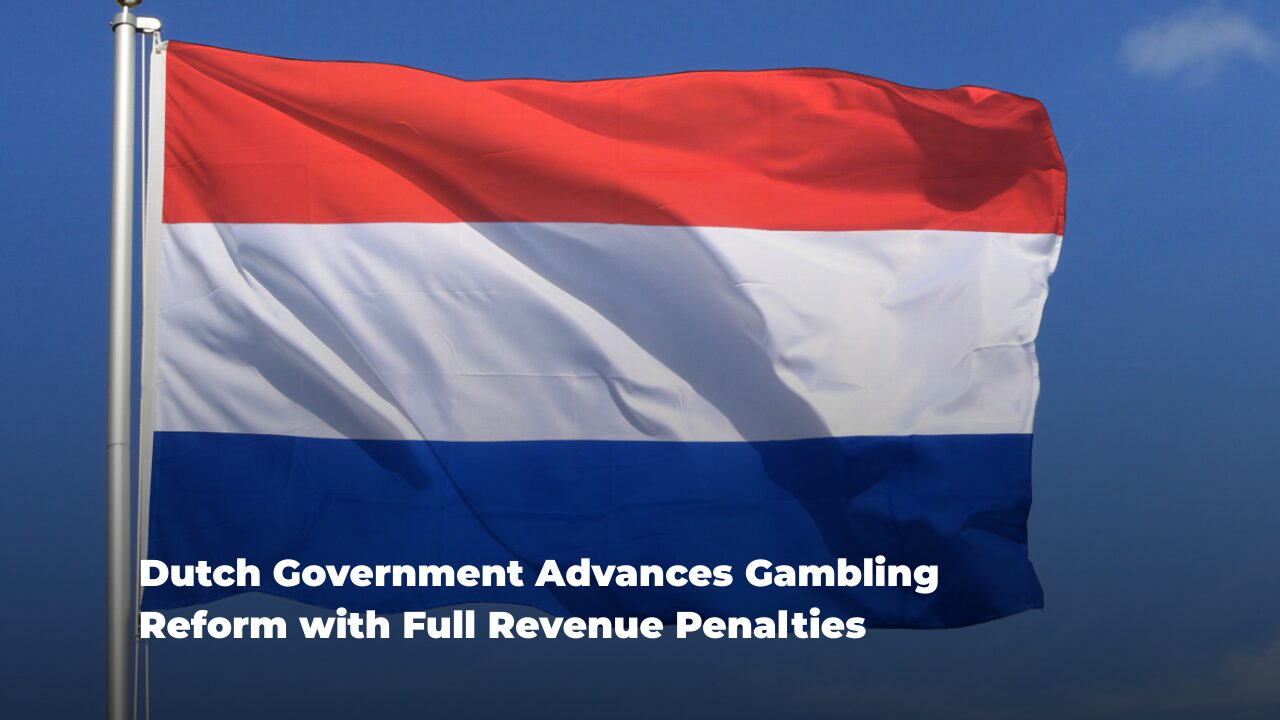
Dutch lawmakers introduced a proposal allowing regulators to impose fines up to 100 per cent of the operator’s annual revenue. This reflects rising concern and introduces stronger enforcement against illegal gambling activity within the Netherlands. Mirjam Bikker and Sarah Dobbe lead this proposal, showing a shift in how digital gambling markets will be regulated. The plan allows KSA to issue turnover-based penalties above the current limit of 10 per cent of revenue. Regulators argue that the existing cap fails to reflect profits made by illegal operators and limits enforcement impact. This follows a record fine issued against Novatech, reported as €25m in one account and €24m in another. Authorities concluded that existing enforcement tools did not meet requirements under current Dutch law.
Lenient Enforcement Generates Demand to Have Tough Gambling Regulations
Law enforcers indicated that the 10 per cent method cuts into efficiency in cases of offshore companies which make lots of money. Following the decision, Novatech surrendered its Curaçao licence and this complicated the issue of fine collection on the part of the authorities. Also the operator was subjected to another ban in Sweden during the same time, which put strain on efforts to enforce it. The proposal entails the immediate closure of unauthorised gambling websites that are in operation in the domestic market. It is also an intention of lawmakers to decrease or eliminate the advertising of igaming in order to restrict the exposure and involvement of users. This is after previous suggestions on a complete ban on advertising which had been proposed last month. The existing regulations already have a prohibition on targeted gambling advertisements in July 2023 and a prohibition on sports sponsorships in the future.
According to lawmakers, the current enforcement is slow, which has enabled operators to escape as they proceed with their operations. The proposal enhances Cruks system in the provision of an extension of six months to one year of exclusion. The changes are to safeguard vulnerable users and ensure the successful enforcement of stricter measures in failure to comply with obligations.
The Participation Has Increased and the Need to Regulate it Has Grown
Regulation in 2021 led to reforms in the online gambling market because there are approximately 450,000 newcomers to the market. Statistics indicate that users in the 18 to 21 years bracket constitute approximately 22 per cent of the active accounts, which is a cause of concern among the authorities. An increase in participation is also associated with an increase in gambling addiction cases as per LADIS statistics. This state of affairs adds pressure to the legislators to develop more stringent control measures within the sector. According to Mirjam Bikker, there is growing access to gambling due to mobile devices and the promotion channel. She believed that slot machines have become readily available and this proves to be a strong argument that should support outright prohibition of advertising. Previous options were the increase of the legal online slot age from 18 to 21 years, although the progress was halted. This was after State Secretary Teun Struycken resigned in the course of a disagreement regarding Israel sanctions.
A coalition government was created in response to the formation of a coalition government to oversee the policy direction after an election in October failed to create any clear majority. D66, the Christian Democrats, and the VVD all represent the coalition that will define the future regulatory behaviour. As of 2026, a new deal promising to revisit the issue of licences and enhance the duty of care regulations is underway.
Industry Increases Risk of Impact of Overregulation
Some regulators and industry groups caution that very stringent rules would force users to offshore platforms that are not under regulation. VNLOK added that the prohibition of advertising can result in more traffic towards such sites among customers. Michel Groothuizen threatened that by eliminating advertising, it could be more difficult to find legal services among players. According to critics, marketing assists in the distinction of the licensed operators, as well as contributes to the direction toward regulated settings. Though it is a worrying development, the proposal demonstrates a solid shift towards increased enforcement and consumer protection in the Dutch gambling industry.
Explore more:
 Share
Share


 54 views






 Analysis
  Blog
Blog  Business
  Companies
  Crime
Crime  Finance
  M&A
M&A  Regulation
  Reports