

Key Points
- Investigators in Sweden located Spribe gaming titles operating on gambling websites which lacked the authorisation required under Sweden Gambling Act.
- The Swedish Gambling Authority issued a warning to the supplier and imposed a penalty of 5,000 kronor which equals €466 or about $470.
- Authorities recognised that Spribe removed the games after discovery, introduced geoblocking measures, and implemented steps that support compliance with regulatory requirements.
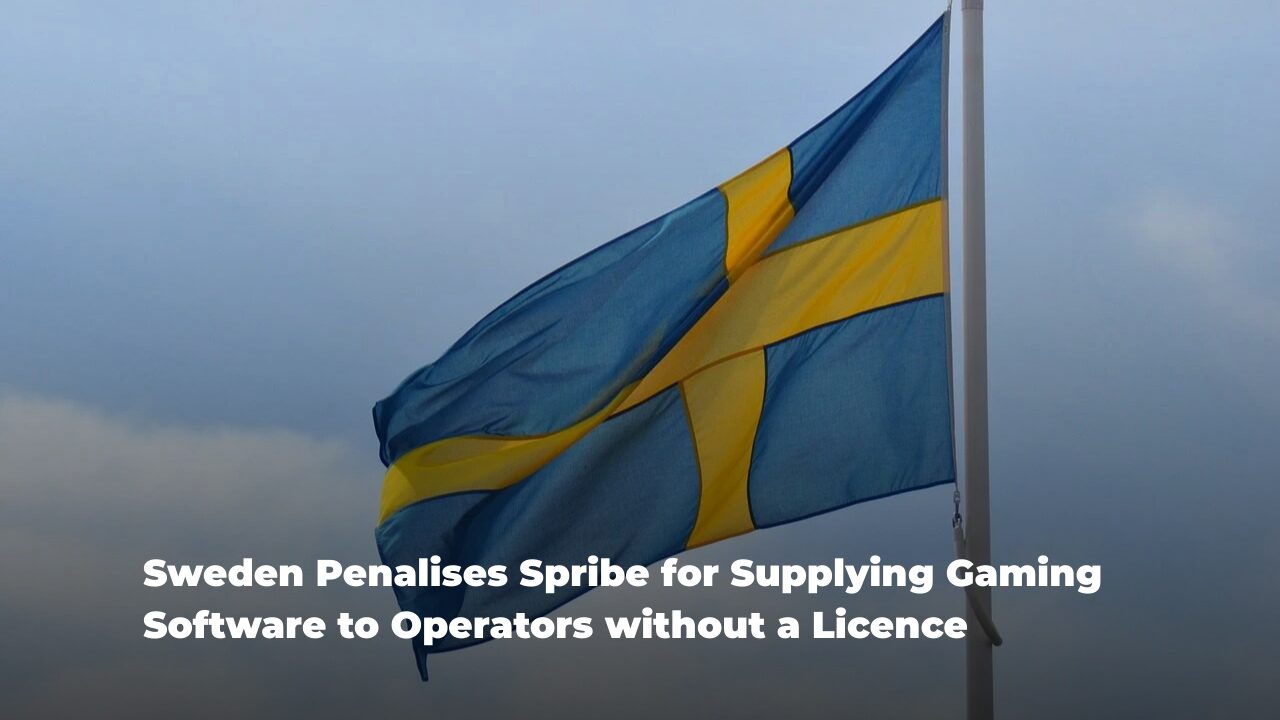
The Swedish Gambling Authority delivered a formal warning with a financial penalty to Aviator supplier Spribe OÜ after finding its gaming software active on sites run without Swedish gambling licences. Regulators reached a firm view that the supplier allowed its games to run with operators banned from offering gambling services in Sweden, which broke national rules for licensed software providers. The authority applied a fine of 5,000 Swedish kronor, equal to about €466 or roughly $470, after reviewing Spribe’s behaviour under Swedish gambling law. Investigators ruled that the supplier broke rules that force licensed developers to ensure their gaming software never reaches unlicensed operators in the Swedish market.
This matter began when regulators inspected several gambling websites on 25 November 2025 during routine enforcement work across the national market. During that inspection, officials realised companies running those platforms lacked authorisation to provide gambling services under Sweden’s Gambling Act. Authorities reviewed the company’s distribution model together with partner contracts, monitoring processes, and technical systems meant to limit access only to licensed operators. The inquiry also measured how fast the supplier reacted once the issue surfaced and whether control existed over third-party distribution partners. During the investigation work, authorities studied the role of aggregator networks that distribute gaming content to many operators across several markets.
Spribe explained that its games normally move through aggregator platforms instead of direct agreements with every operator offering those titles. According to the company, those aggregator partners hold a contract duty to sub-license games only to operators who carry valid licences and follow local law. The regulator stressed strongly that using third-party aggregators never removes a supplier’s duty under Swedish gambling legislation. Authorities insisted licensed suppliers must ensure their products never reach unlicensed companies, even when distribution passes through intermediaries. Regulators made clear that indirect distribution through aggregator networks cannot justify breaches of compliance obligations. By finding Spiibe games running on banned websites, regulators concluded compliance duties had not been fully satisfied.
Company Response and Corrective Measures
Spribe replied to the regulator during the investigation and shared details explaining how the games appeared on those identified websites. The company also described the actions it had already taken to correct the situation once the problem came into view. Spribe stated it had already implemented corrective measures and treated the issue as a priority immediately after becoming aware of the problem. According to Spribe, two websites named by regulators already carried geoblocking measures meant to stop access from Swedish IP addresses. Those technical restrictions aimed to block players located in Sweden from reaching the titles available on those platforms. However regulators confirmed the supplier games remained reachable from Sweden on two other websites that lacked working restrictions.
Spribe explained that once it realised the games stayed accessible from Sweden on those sites, it moved immediately to remove the titles. The company reported that the games disappeared quickly after the issue surfaced during the regulatory investigation. The supplier also informed authorities that some game versions found on another website were unauthorised copies of its software. Spribe described those cases as intellectual property infringement instead of approved distribution through its official partners. In its response, the company stressed that it never knowingly supplied gaming software to operators without a licence. Spribe stated the situation may have come from contract breaches by distribution partners or from unauthorised use of its intellectual property. Regulators still concluded that the presence of those games on unlicensed platforms represented a violation of Swedish gambling law.
The authority determined that Spribe breached Chapter 11 Section 6e of the Gambling Act by allowing software use without required authorisation. The Swedish Gambling Authority also noted that a licence holder carries the responsibility to ensure supplied software never reaches unlicensed operators. This obligation continues even when games travel through third-party aggregators rather than direct agreements with operators. When assessing enforcement action, the regulator reviewed factors including the seriousness of the violation, duration of breach, and supplier role in enabling software access. Authorities concluded Spribe sub-licensed gaming software to unlicensed operators during the period examined by regulators. Regulators described the breach as serious and said the situation required a regulatory response. Officials noted that games appearing on banned sites showed the supplier failed to uphold its duty to prevent distribution to unlicensed companies.
Minimum Fine Applied After Mitigating Factors
At the same moment the authority considered several mitigating circumstances before deciding the final penalty. Investigators accepted that Spribe had installed geoblocking measures meant to restrict access to its games from Sweden. Regulators also recognised that the company removed its titles quickly once it discovered the games remained accessible on certain websites. Authorities further considered that the supplier had taken steps to address the issue and signalled willingness to follow compliance going forward. The regulator concluded that those corrective actions lowered the need for stronger enforcement measures. For that reason the Swedish Gambling Authority chose not to revoke the company’s licence to supply gaming software. Instead regulators issued a formal warning and applied a financial penalty at the lowest level allowed under the law.
The fine reached 5,000 kronor, which stood as the minimum penalty available to the authority in this situation. The regulator calculated that amount using Spribe’s reported revenue from the Swedish market during the previous financial year. Spribe reported that net turnover from the Swedish gambling market in 2024 reached 76,101 kronor, equal to about €7,110. Under Swedish regulations, any administrative fine cannot exceed ten per cent of turnover from licensed activities in the previous financial year. Based on that rule, the maximum possible penalty regulators could impose on the supplier would reach 7,610 kronor. After weighing financial limits together with the circumstances surrounding the case, the authority decided a 5,000-kronor penalty was suitable. The Swedish Gambling Authority finally concluded that issuing a warning together with the minimum fine would address the violation. Regulators stated the issue had already been resolved and the company had taken steps that should support future compliance.
Explore more:
 Share
Share


 19 views








 Analysis
  Blog
Blog  Business
  Companies
  Crime
Crime  Finance
  M&A
M&A  Regulation
  Reports