

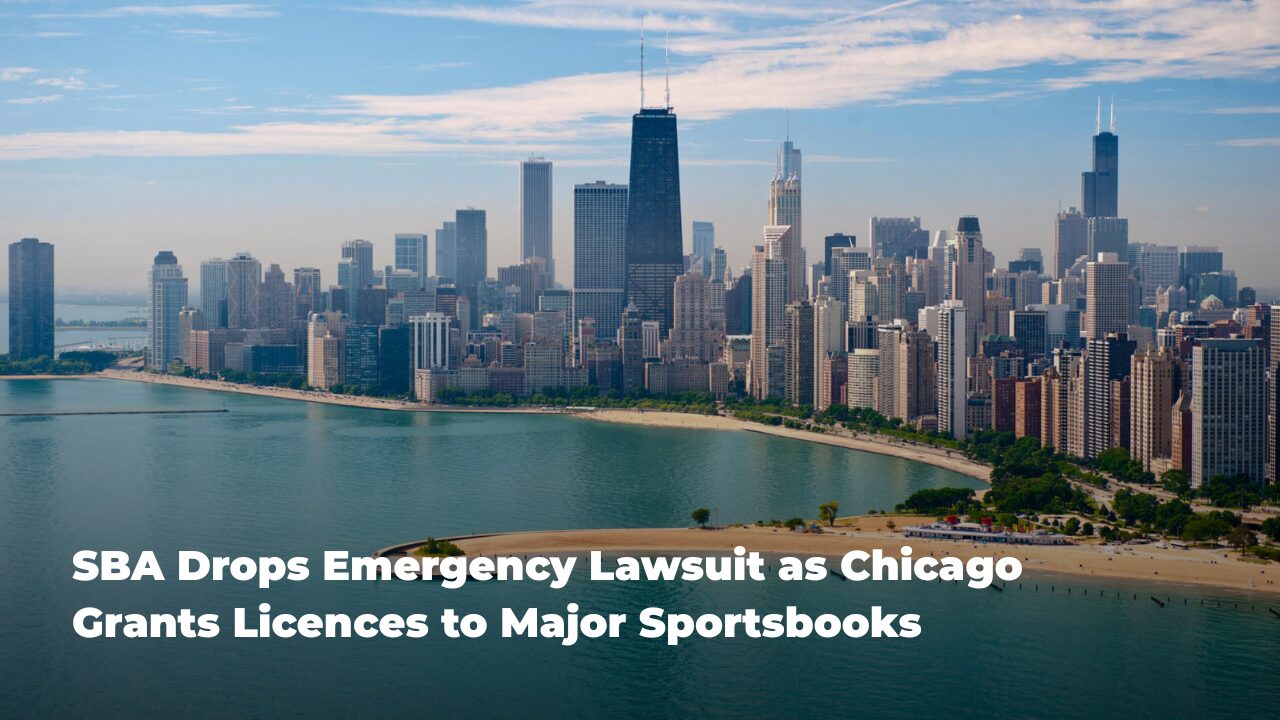
The Sports Betting Alliance has dropped its emergency lawsuit against the City of Chicago after the city approved licences for major sportsbooks. On 31 December, bet365, BetMGM, DraftKings, FanDuel, and Fanatics Betting all received licences.
The Alliance had filed the case a day earlier to try to stop Chicago from enforcing a new betting tax, which it says is illegal. The group said, “The SBA said on X that it has dropped its TRO lawsuit after Chicago issued licenses to bet365, BetMGM, DraftKings, FanDuel, and Fanatics Betting on 31 December.”
What the New Chicago Betting Tax Is About
The Sports Betting Alliance filed a lawsuit on 30 December after the Chicago City Council approved new rules on 20 December as part of a late budget deal. The group said betting companies were not properly consulted before the changes were passed.
The new rules, starting 1 January 2026, will create a city licence for online sportsbooks and add a 10.25 percent tax on online betting revenue. The Alliance says the city cannot legally impose this tax, arguing that such authority belongs to the state. It said, “The SBA, which had already issued a warning against the introduction of a new tax on bets placed in Chicago, argues the measures are unconstitutional and exceed the city’s authority under Illinois law.”
Why Operators Say Illinois Is Already Over-Taxed
Sports betting companies in Illinois already pay some of the highest taxes in the country. In 2024, the state changed from a flat tax to a tiered system that can reach 40 percent for large operators. Earlier this year, lawmakers added a per-wager tax, which the Sports Betting Alliance says has greatly increased the overall tax burden.
Most bets in Illinois are made through mobile apps, not at physical shops. Through October 2025, the state’s 15 licensed sportsbooks made over $1.1 billion in online revenue, up from about $951 million last year. Despite higher revenue, companies say the number of bets is dropping because the per-wager tax has forced them to raise prices and minimum bets.
What Happens Next in the Legal Fight
The Sports Betting Alliance says Chicago’s new tax is a big change in how local governments handle sports betting. It also argues that the city cannot tax companies that do not have physical offices in Chicago.
Some state lawmakers are against the tax. Rep. Dan Didech wants to stop cities from making their own sports betting taxes, and Sen. Patrick Joyce wants to reduce Chicago’s share of state income tax if the city goes ahead. A court hearing is set for March, and the Alliance wants to keep business rules the same while the case continues.
Explore more:
 Share
Share


 168 views







 Analysis
  Blog
Blog  Business
  Companies
  Crime
Crime  Finance
  M&A
M&A  Regulation
  Reports