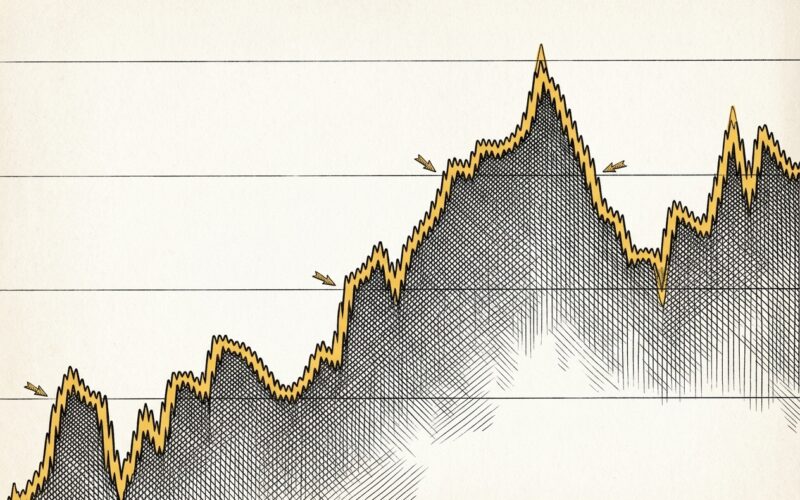
The Philippine gaming industry generated PHP83.72 billion ($1.3billion) in gross gaming revenue (GGR) during the third quarter of 2026, representing an 11.41% decline from $1.5 billion) in the corresponding period last year.
According to the Philippine Amusement and Gaming Corporation (PAGCOR), weaker electronic gaming revenue accounted for most of the decline, while licensed casinos maintained relatively stable performance.
The contraction was smaller than the 20.33% year-on-year decline recorded in Q2, although quarterly GGR also fell from PHP88.13 billion.
Electronic gaming revenue falls 22.86% to PHP35.28bn
Electronic gaming generated PHP35.28 billion ($559 million) in third quarter revenue, down 22.86% from PHP45.73 billion ($724.8 million) a year earlier. The segment covers E-Games, E-Bingo and bingo grantees under PAGCOR’s latest reporting classification.
PAGCOR Chairman and CEO Alejandro Tengco said the PHP10.45 billion reduction accounted for most of the industry’s overall revenue decline. Electronic gaming revenue also fell from PHP39.85 billion in Q2 and PHP39.90 billion in Q1, extending the weakness recorded earlier in the year.
Licensed casinos maintain largest share of industry revenue
Licensed casinos generated PHP45.38 billion (719 million), representing a marginal 0.40% decline from PHP 45.56 billion (722 million) in Q3 2025. The segment accounted for 54.20% of total gaming revenue, compared with 50.83% in the first quarter and 51.49% in the second quarter.
Meanwhile, PAGCOR-operated casinos recorded PHP3.03 billion ($48 million), down 4.81% from PHP 3.18 billion ($50 million) a year earlier.
Inflation and geopolitical uncertainty affect gaming expenditure
Tengco attributed the industry’s weaker performance to inflation and geopolitical uncertainty affecting consumer spending.
“These conditions have affected spending on discretionary activities, including gaming, and contributed to the weaker performance of certain segments,” he said.
Despite the decline, Tengco described the slower decline as an encouraging development.
Explore more:
 Share


 14 views