

Key Points
- The NCAA has filed a federal case seeking damages and an urgent order to stop DraftKings from using March Madness and Final Four.
- The association states that such use misleads fans, weakens its image, and increases risk exposure for student athletes through betting activity.
- DraftKings rejects the claims and argues its usage of tournament terms is lawful, descriptive, and protected under fair use principles.
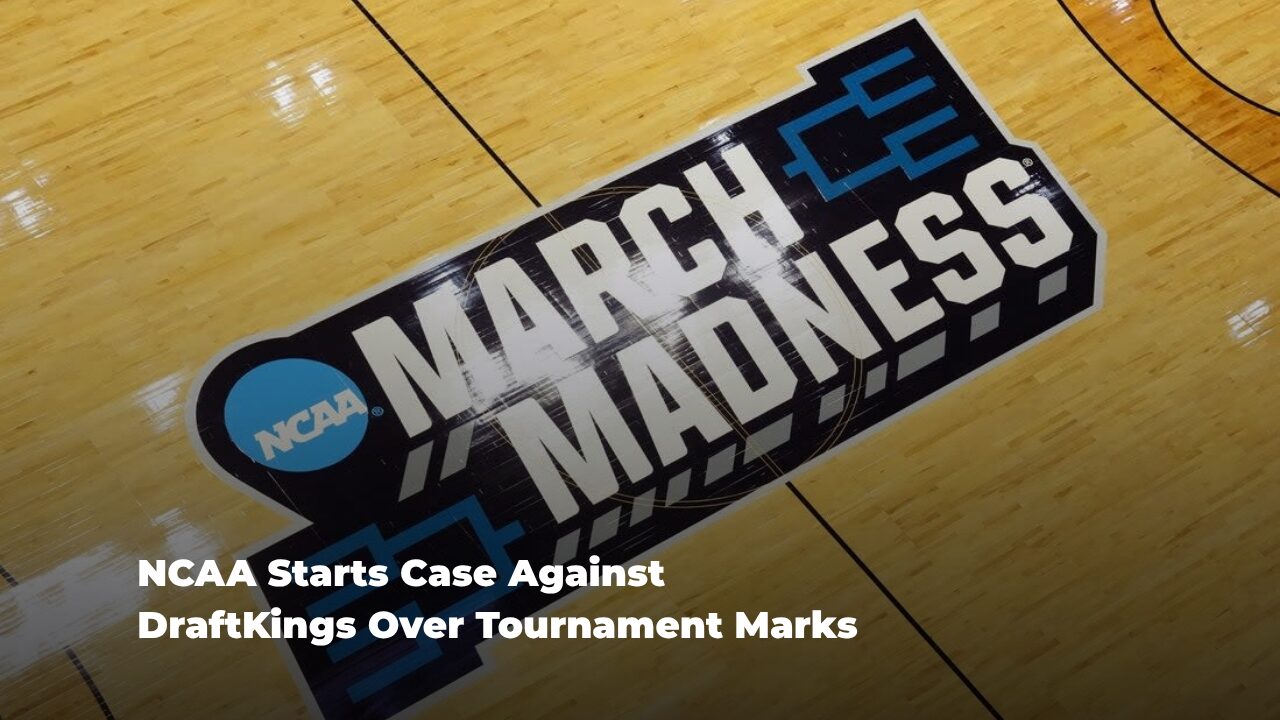
The National Collegiate Athletic Association has filed a federal lawsuit against DraftKings, showing concern as it accuses the betting company of using trademarks tied to its main basketball tournaments. This case, filed in the U.S. District Court for the Southern District of Indiana, asks for money damages and also seeks a fast court order to stop the claimed violation. The NCAA says DraftKings used protected terms like March Madness, Final Four, Elite Eight, and Sweet Sixteen across its sportsbook system and marketing work. These terms hold deep value for NCAA men’s and women’s basketball tournaments and appear across media, merchandise, sponsorship deals, and licensed business actions. As per the complaint, DraftKings placed these phrases across betting menus, navigation areas, contest naming, and promotional visuals with clear visibility.
The NCAA argues this use crosses simple description and instead draws on trust and value built around its trademark system. The filing explains that DraftKings increased this activity just before the tournaments started, when attention from the public rose sharply. The NCAA believes this timing shows intent to gain benefit while also creating confusion among users about possible partnership or approval.
Consumer Confusion and Reputation Damage Concerns
False suggestions of official affiliation between the NCAA and the betting platform create serious problems for the association. College students and young adults might mistakenly believe the NCAA endorses or authorises DraftKings’ services. Millions of fans could form incorrect assumptions about this relationship. Long-standing policies against gambling partnerships face undermining through this perceived association with DraftKings. Athletes and staff follow strict rules prohibiting participation in any sports betting activities. Refusing sportsbook sponsorships demonstrates the NCAA’s commitment to maintaining distance from gambling enterprises.
College athletics faces multiple threats from expanding sports betting that deeply trouble NCAA leadership. Competitive integrity suffers when gambling activities infiltrate amateur sports environments. Student-athletes experience harassment from disappointed bettors who lose money on games. Individual player performance bets create unique pressures that particularly concern the NCAA’s governance structure. Young athletes face incentives for improper influence when proposition bets target their statistics. Federal authorities received NCAA requests to suspend college sports prediction markets pending stronger protective measures.
The association prioritises eliminating proposition betting in college sports through sustained advocacy efforts. Protecting student-athletes from gambling-related harm drives many current NCAA policy initiatives. Legal action against DraftKings represents one component of this broader protective strategy. Tournament-related terms receive lawful treatment on the DraftKings platform according to company representatives. Plain text usage of March Madness accurately describes betting markets without trademark infringement claims. Nominative fair use doctrine supports this descriptive approach under established legal precedent.
Identifying real-world events requires references to trademarked terms, which DraftKings considers constitutionally protected speech. Similar terminology appears across the entire sports betting industry for event identification purposes. The company never implies ownership or an official NCAA partnership through its platform communications.
Tournament Terminology Usage Evolution
DraftKings’ platform featured references to March Madness beginning in 2014, predating widespread U.S. sports betting legalisation. Gambling products had no connection to these early terminology uses on the platform. Everything changed as legal sports betting expanded across multiple states. The 2019 launch of DraftKings’ Brackets product marked a significant shift in tournament-related content offerings. Users could fill out brackets and compete for cash prizes through this new feature. The NCAA interprets this transition as moving from informational use to commercial exploitation of its trademarks. “March Mania” promotions caught NCAA attention for their similarity to the association’s protected branding elements. Intentionally misleading naming choices strengthen infringement claims according to the NCAA’s legal team. These examples demonstrate patterns of behaviour rather than isolated incidents.
Emergency court intervention becomes necessary before the Sweet Sixteen round starts on March 26. High commercial stakes during peak tournament periods require expedited legal proceedings. The compressed tournament schedule demands immediate judicial attention to resolve these disputes. The American Gaming Association projects Americans will wager approximately $3.3 billion on tournament games this year. Sports betting industry revenues depend heavily on March Madness wagering activity. Financial realities intensify the legal confrontation between these opposing interests.
Collegiate sports organisations clash increasingly with expanding sports betting sectors across the United States. Clear separation between competitions and gambling activities remains the NCAA’s unwavering position. Major sporting events become more integrated into sportsbook offerings despite organisational objections. Prolonged conflicts over intellectual property and marketing rights likely emerge from this initial dispute. Traditional college athletics values confront commercial pressures from the betting industry daily. Similar cases will probably arise as these sectors continue their uncomfortable coexistence.
Explore more:
 Share
Share


 37 views




 Analysis
  Blog
Blog  Business
  Companies
  Crime
Crime  Finance
  M&A
M&A  Regulation
  Reports