

Key Points
- The Dutch regulator imposed a €24.8m fine on Novatech and about €1.8m on Fortaprime after unlicensed gambling reached players across the Netherlands.
- Investigators confirmed Dutch users created accounts, deposited money, and gambled without blocks, age checks, or payment limits.
- Officials explained the penalty might pass €100m, yet Dutch law limits enforcement penalties to ten per cent of global company turnover.
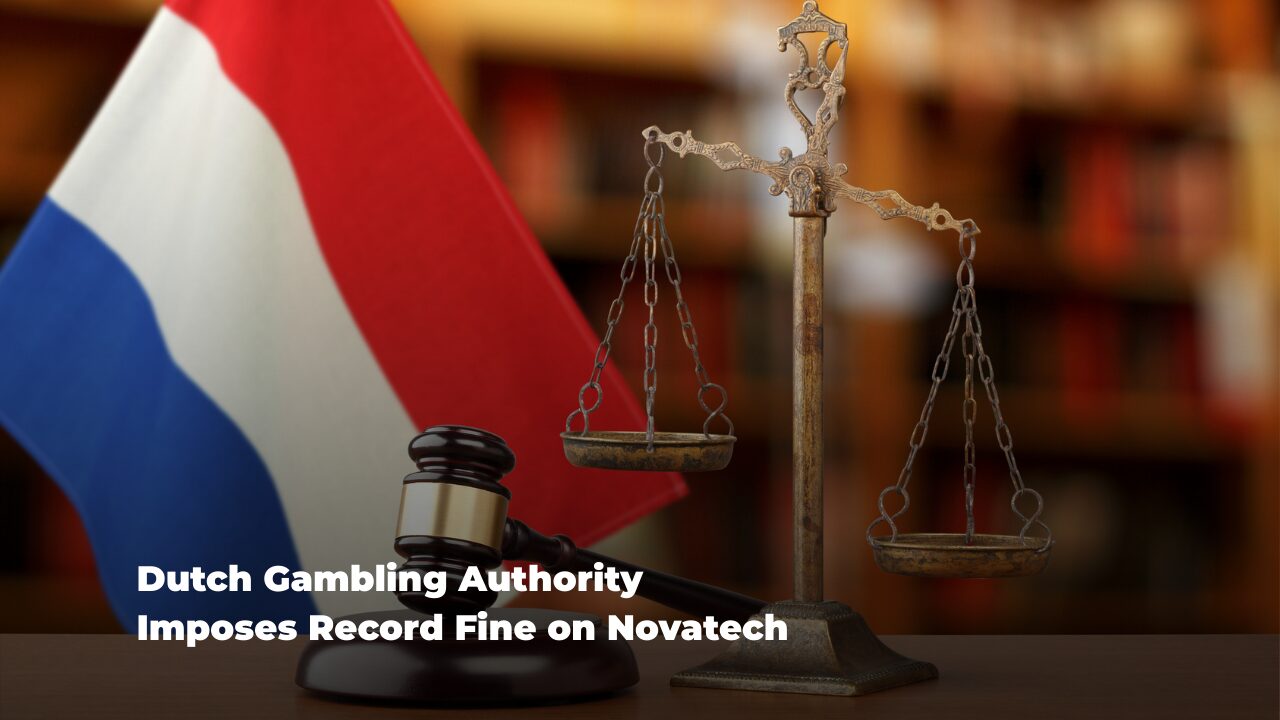
The Netherlands Gambling Authority launched its largest enforcement action and imposed heavy penalties on two offshore operators serving players inside the Netherlands without required licences. Investigators concluded both companies failed to secure authorisation, while their online gambling platforms stayed open to users across the Netherlands in clear breach of gambling rules. After investigators closed the review, the regulator issued a €24,846,000 fine against Novatech and also imposed about €1,795,000 against Fortaprime SRL. During the inquiry officials discovered Novatech operated two platforms, Qbet.com and 55Bet.com, and both sites remained available to players located inside the Netherlands.
Regulators also uncovered a wider network of gambling websites linked with Fortaprime SRL while continuing the same investigation process. That network included amonbet101.com, supraplay.com, amonbet.com, bilucky.com, gxspins.com, kaasino.com, hiddenjack.com, and luckymax7.com serving Dutch customers without restriction. Since Novatech and Fortaprime SRL lacked the required local approval, both companies delivered gambling services in the Netherlands without legal permission. The authority confirmed that people in the Netherlands created player accounts freely and began gambling activities without any restriction or delay. Officials also verified that customers deposited funds easily because the registration system lacked barriers that normally block users from unlicensed regions.
Investigators opened their own accounts on several websites and deposited funds to observe platform operations directly. After those steps investigators played games offered to Dutch users although national gambling rules forbid such services without authorisation. While reviewing systems further, regulators concluded operators failed to install technical safeguards designed to prevent access from users located inside the Netherlands. Authorities reported websites lacked geolocation tools or blocking systems capable of stopping Dutch players from entering the gambling platforms. Investigators therefore treated the missing safeguards as a compliance failure under the national gambling regulatory framework. Licensed operators must prevent access from unauthorised jurisdictions, yet these companies ignored that duty.
During the same review regulators also detected further violations that increased the seriousness of the enforcement case. Investigators identified missing age verification systems on gambling websites as one of the most worrying problems during the examination. Officials said the sites failed to show clear procedures for verifying a user’s age before account registration or participation in gambling. Because of that weakness minors could register accounts and gamble on the platforms without restriction or protection. Missing safeguards created another breach of regulatory standards that licensed gambling operators must follow. Authorities also discovered that gambling platforms accepted payments through cryptocurrency and other transaction systems that hide user identity. Investigators warned that monitoring financial flows becomes difficult when such payment systems operate within gambling environments.
Officials explained that crypto payments and untraceable systems increase the risk of financial crime, including international money laundering. Operators created a structure where financial transactions occurred without the transparency required in regulated gambling markets.
Regulators Discover Efforts to Attract Dutch Gamblers
Regulators collected evidence showing operators not only remained accessible inside the Netherlands but also attempted to attract Dutch customers. Investigators examined reviews published on affiliate websites promoting gambling brands connected with these operators. Those reviews stated that certain brands accepted players from the Netherlands and invited Dutch users to join the platforms. The authority treated those statements as proof that operators intentionally attracted Dutch gamblers without legal permission. Promotion connected with the sites also appeared through marketing activity on social media platforms. Authorities discovered that Dutch influencers promoted Fortaprime gambling platforms to audiences located inside the Netherlands. Influencers shared promotional content urging followers to visit and use illegal gambling websites.
The regulator warned that people promoting unlicensed operators could face penalties under Dutch law. Authorities explained the enforcement case forms part of a wider strategy against illegal online gambling operations. Officials believe such platforms weaken the legal gambling market operating under regulation and consumer protection rules. Because of this threat enforcement actions now extend beyond administrative fines issued directly against operators. Regulators now cooperate with service providers supporting the global online gambling industry. This cooperation includes payment service providers, web hosting firms, international banks, and technology companies delivering internet services. Through coordination regulators attempt to disrupt systems and infrastructure supporting illegal gambling websites. Authorities believe cooperation across industries reduces the ability of unlicensed operators to reach Dutch customers.
Regulators expect that pressure from several sectors will make continued illegal gambling operations inside the Netherlands difficult. The authority noted licensed gambling companies spend large amounts on compliance systems designed to prevent financial crime and protect players. Licensed operators must follow rules covering identity verification, responsible gambling tools, and transparent payment systems. Illegal platforms ignore these obligations and gain an advantage while exposing consumers to financial and security risk. While calculating penalties regulators used a turnover-based method allowed by Dutch law during serious enforcement cases. Officials can impose higher financial penalties when fixed fines fail to reflect profits generated through illegal activity. Regulators estimated the revenue produced by the operators during their illegal operations. Authorities then used those figures as the basis for deciding final penalties.
Authorities admitted fines remain limited because Dutch legislation sets a maximum enforcement penalty level. Law states a regulatory penalty cannot exceed ten per cent of the total global company turnover. That rule prevented the authority from increasing the financial penalty against Novatech beyond that level. Investigators reported Novatech earned hundreds of millions of euros from illegal gambling platforms during the examined period. A large portion of that revenue came from players located inside the Netherlands. The authority chair said the €24 million fine appears large but still fails to match the full scale of activity. Officials stated the financial penalty could exceed €100 million without the legal ten per cent cap.
Authorities Warn Offshore Operators After Repeat Violations
The regulator board chair explained that a penalty above €100 million would better reflect the seriousness of the violation committed. He stated the legal cap stops regulators from imposing penalties that match profits earned by international gambling companies. Regulators therefore believe lawmakers should review rules limiting the size of enforcement penalties. Officials noted Novatech and Fortaprime had received penalties during earlier enforcement actions by the authority. That history revealed repeated failure by both companies to follow Dutch gambling laws and regulatory requirements. Authorities therefore designed the latest enforcement decision as a stronger step to discourage further violations by offshore operators. Officials said these financial penalties should send a warning to companies offering gambling services in the Netherlands without permission.
Regulators also stressed that removing illegal gambling alternatives remains necessary to protect the regulated gambling market. Unlicensed platforms draw customers away from licensed companies that follow regulations and pay taxes in the Netherlands. Legal operators face unfair competition when companies ignore consumer protection rules and regulatory duties. Authorities believe strong enforcement protects both players and legitimate gambling businesses inside the legal system. In another enforcement action the authority issued a separate fine against prediction markets platform Polymarket. Regulators concluded the company’s event-based contracts meet the legal definition of gambling under Dutch law. Because of that classification these betting style contracts require authorisation before companies offer them to Dutch users.
Through that decision regulators confirmed that new betting formats still fall under existing gambling law. Authorities signalled they will continue expanding enforcement against illegal gambling networks operating through online platforms. Officials said future enforcement will rely on coordination and stronger partnerships across the digital gambling ecosystem. Regulators will also target individuals promoting illegal platforms through marketing or social media activity. Authorities believe these combined actions will build a safer and more transparent gambling environment for players in the Netherlands.
Explore more:
 Share
Share


 37 views







 Analysis
  Blog
Blog  Business
  Companies
  Crime
Crime  Finance
  M&A
M&A  Regulation
  Reports