

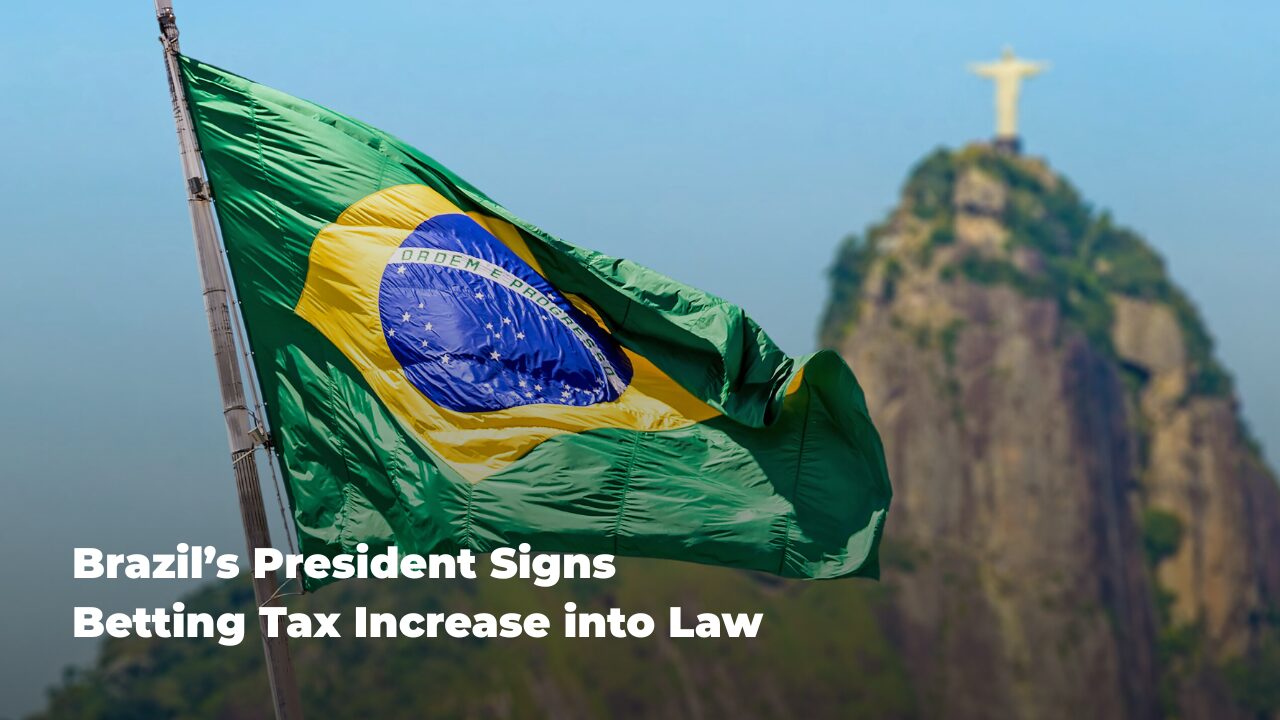
Brazilian President Luiz Inácio Lula da Silva has approved a new law that will raise taxes on betting companies in the country. The tax rate will go up from 12 percent to 15 percent by 2028. The government says the change is meant to increase revenue from the growing online betting market.
The Ministry of Finance said the higher tax is intended to balance revenue collection with the growth of the betting industry. Officials added that the new rate will make tax income more stable and predictable for the government over time.
Why the Government Made the Move
The decision comes after Brazil’s Senate approved the 15 percent tax rate earlier this month. This is lower than the 18 percent rate that had been suggested before. However, lawmakers have not completely abandoned the idea of a higher tax, as other proposals to raise it to 18 percent are still being considered in the country’s legislature.
Officials say that setting the rate at 15 percent is a compromise. They believe it will let betting companies continue operating while still boosting government revenue from betting activities.
How Much Money the Sector Is Making
Figures from the Secretariat of Prizes and Betting show that the betting industry is already a major source of revenue. By September this year, the government had collected R$3.32 billion in federal taxes from the sector, which is about €506 million. In the same nine months, legal betting companies handled a total of R$27.7 billion in bets.
These figures show why the government is closely watching the industry. With more people placing bets online and through mobile apps, the sector is expected to continue growing in the coming years.
Industry Fears Illegal Market Will Grow
Even with the government’s optimism, industry groups are worried about the tax increase. The Brazilian Institute for Responsible Gaming (IBJR) said higher taxes could push more players and companies into the illegal betting market, making regulation harder.
In an October statement, the IBJR said, “The regulation of the sector represents progress because it establishes clear rules for integrity, traceability, and debt prevention, aspects that are absent in the illegal market, which harms the state and consumers and also finances illicit activities and organised crime.” They noted that illegal operators benefit when the regulated market is weakened.
The group commented further that “Combatting this illegal market must be a priority. Measures that weaken the regulated environment only help those operating outside the law and make it harder to tackle criminal networks.” They also added that, “The IBJR emphasises that the best way to increase tax collection and protect Brazilian consumers is to strengthen the formal market, ensuring legal certainty, compliance with regulations, and a competitive and sustainable environment.”
Explore more:
 Share
Share


 178 views







 Analysis
  Blog
Blog  Business
  Companies
  Crime
Crime  Finance
  M&A
M&A  Regulation
  Reports