






Key points
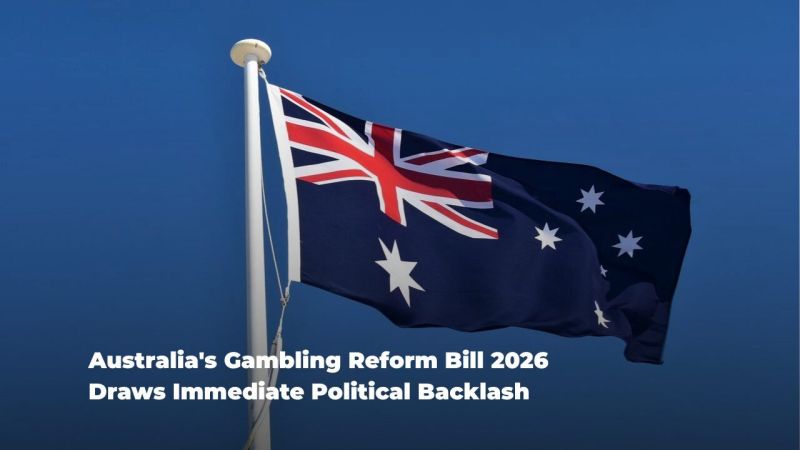
- On 2nd July, the Interactive Gambling Amendment (Gambling Reform) Bill 2026 was formally presented, however, it received immediate resistance from the opposition party, cross bench members and Greens.
- The Bill is a failure because it does not comply with the recommendations of the Murphy inquiry, hence described as a “rubbish bill.”
- The bill proposes a ban on wagering ads during live sport, tighter restrictions across TV, radio and online, and an expanded BetStop register, with most measures set to take effect on 1 January 2027.
The Bill Hit Parliament and Immediately Hit a Wall
Australia’s government put its gambling reform legislation before parliament on 2 July, and the hostility came almost immediately. The Interactive Gambling Amendment (Gambling Reform) Bill 2026 moved past its first procedural step, but the response from across the chamber made one thing apparent: clearing that hurdle was the easy part.
Public appetite for stricter gambling rules has never been in question; what the government chose to do with that appetite is where the debate now sits. Opposition MPs, crossbench figures and the Greens each brought objections of their own, with many arguing the bill barely scratches the surface of what the country’s gambling problem requires.
Opposition Wants the Bill Sent to a Senate Inquiry
The Liberal-National coalition kept its distance from the bill, finding no reason to offer even cautious support. Communications spokeswoman Sarah Henderson confirmed her party was going through the legislation carefully, but left no uncertainty about where she stood.
“While we are continuing to work through the details in good faith, it’s no surprise we have concerns about the government’s bill, which should be referred to a Senate inquiry,” she said. Henderson pressed for “meaningful” action on gambling harm, describing what had been put forward as legislation built for “just headlines” rather than lasting change.
‘Put Aside That Rubbish Bill’
Independent MP Andrew Wilkie did not wait for his turn. He moved to suspend the business of parliament to force the bill into immediate debate, an attempt that was blocked, though not before his view of the legislation was firmly on the record.
“This parliament is a fellow traveller with the gambling companies, the media companies and the sporting codes who are like jackals feeding on the carcass of gambling addicts,” Wilkie told parliament. “This is intolerable. I call on the government to put aside that rubbish bill that was tabled today.” His intervention carried the weight of a longer frustration. The Murphy Inquiry Report 2023 recommended much more drastic steps including a complete ban on all gambling advertisements within three years, and according to its opponents, the bill presented in parliament was completely different from that.
Coalition MPs Demand Stronger Action on Gambling Advertising
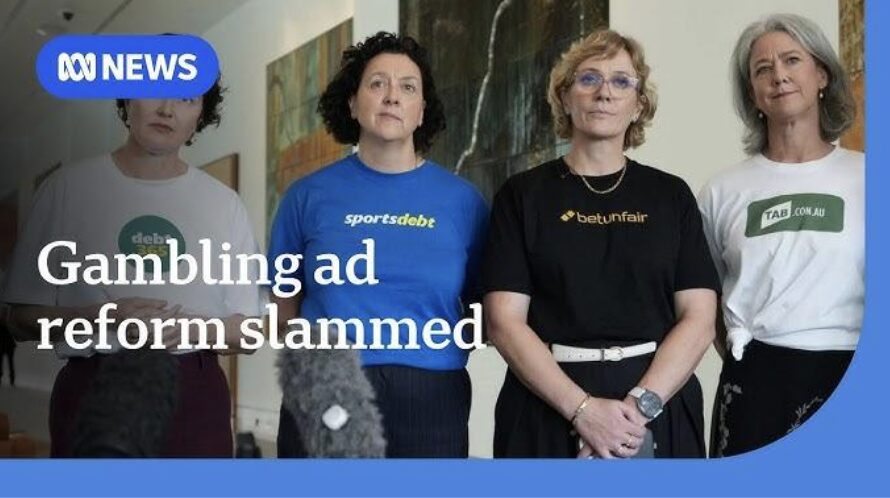
Wilkie’s verdict found the company elsewhere in the chamber. Liberal MP Simon Kennedy described the bill as a “capitulation to the gambling lobby”, arguing it “falls short on advertising restrictions, inducements and protections for children and young people.” Kennedy was later ejected from Question Time for heckling the Prime Minister over gambling-harm-related deaths, a moment that underlined just how far the temperature had risen inside the chamber.
Liberal MP Zoe McKenzie, part of a group of coalition members pushing for stronger measures, did not soften her position on advertising. “We want to see people protected… we have to do what we can to protect young people,” she said, adding that she and her colleagues wanted “to see more happen” on gambling advertising.
There is some irony here that should not be overlooked. On the one hand, the coalition has requested an examination by the Senate and not a total rejection, but on the other hand, there have been members of the coalition who have spoken about much more than just that.
What the Bill Puts on the Table?
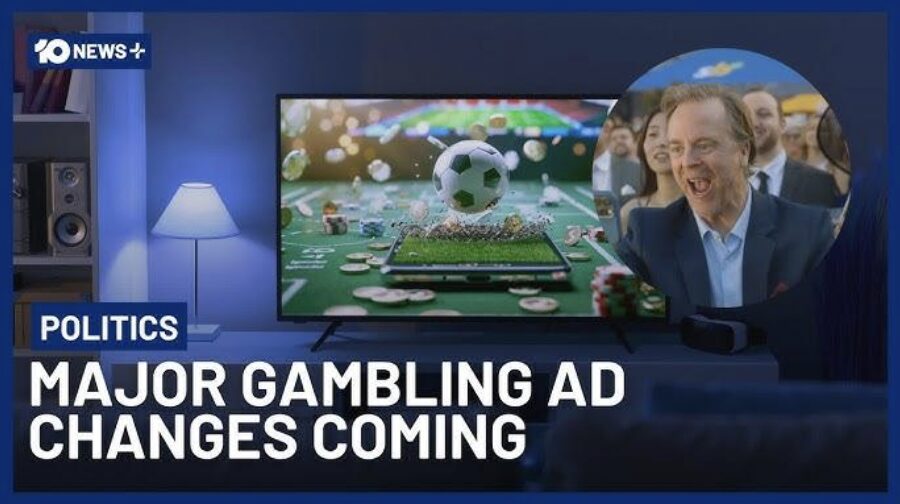
Strip back the political noise and the bill does contain real proposals. Under the legislation, gambling advertising on television would be capped at three ads per hour between 6 am and 8:30 pm, with a complete ban during live sport broadcasts in those hours. Commercial radio would face restrictions during school drop-off and pick-up windows, while athletes, celebrities and influencers would be barred from promoting wagering. Gambling branding would also be removed from sports venues and player uniforms. Online keno and foreign matched lottery products would be prohibited under the legislation.
Player protection sits alongside those measures. The bill would strengthen BetStop, Australia’s national self-exclusion register, and hand regulators more enforcement powers against illegal offshore operators, a sector that has resisted action for years and remained a persistent concern across multiple regulatory cycles. Communications Minister Anika Wells described the reforms as “significant” but noted that a Senate inquiry could delay their implementation.
Most of the reforms, assuming the bill passes, would come into force on 1 January 2027. Some measures would be subject to transitional arrangements, though details on exactly which provisions fall into that category had not been made available at the point of introduction.
Opening Move or Final Offer?
Putting forward the bill starts the process officially, however, it must navigate its way through the Senate, where votes from independents will hold significant sway. Australians have the dubious distinction of being the worst in the world at gambling per capita, with citizens losing around $32.2 billion every year, which amounts to twice the per capita loss in America every year, as reported by the Queensland Government Statistician’s office. Senator David Pocock and the Greens managed to get the bill referred to an eight-week Senate inquiry, and a vote can’t be expected before September.
The extent to which this bill is going to make it to its proposed implementation on 1 January 2027 in its present form rests on negotiations that have barely commenced and a chamber that isn’t afraid to fight back.
Expert Analysis
The bill was always going to walk into a fight. Parliament is a difficult room for gambling reform; vested interests are well-represented, and the history of promised crackdowns softening on contact with the legislative process is long. What the government perhaps did not fully account for is that the fight would come so quickly and from so many corners at once. The coalition wants a Senate inquiry. Wilkie wants the bill withdrawn. Kennedy says it surrendered to the lobby. McKenzie says advertising protections are not close to sufficient. The government stands accused not of pushing too hard, but of not pushing anywhere near hard enough. For a bill that has not yet had its first proper parliamentary debate, that is a bruising place to start.
Explore more:
 Share
Share


 244 views