
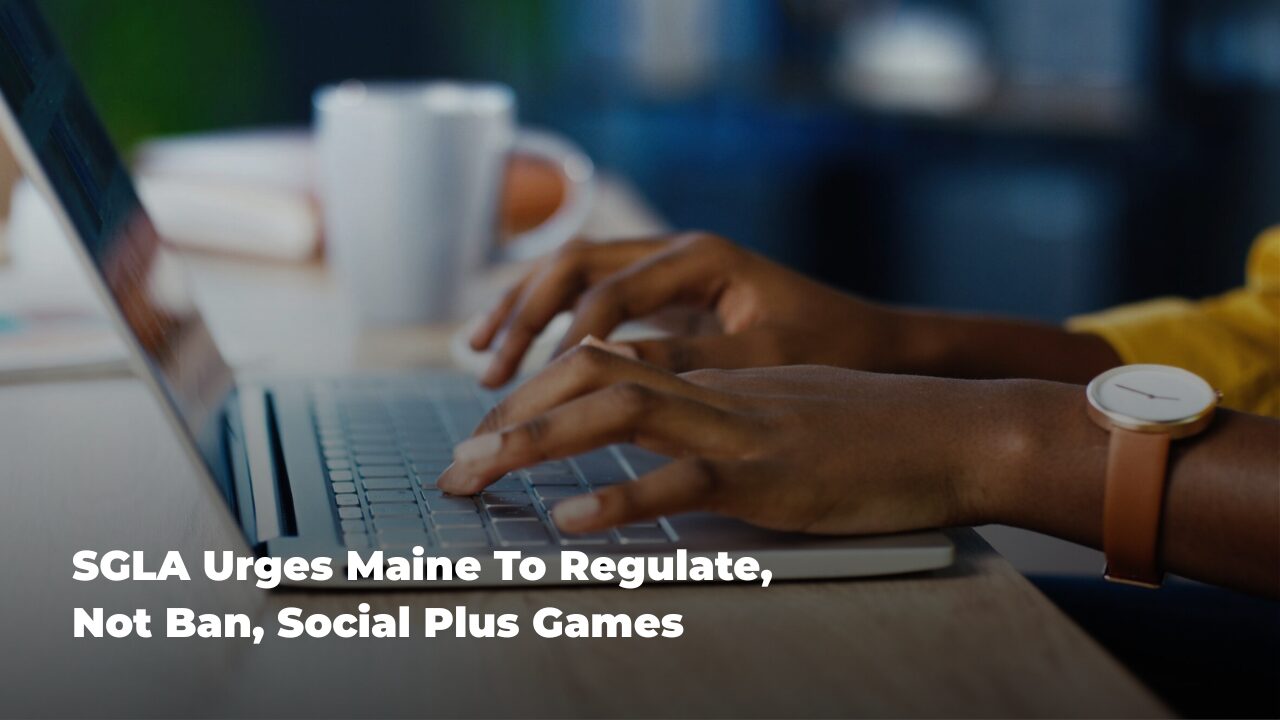
The Social Gaming Leadership Alliance has given testimony to Maine lawmakers asking for social plus games to be regulated rather than banned. This comes after Senate Paper 825 was introduced, which would stop all social plus game offerings in the state.
The SGLA mentioned that a complete ban could backfire by pushing out responsible operators while letting illegal platforms keep running. The group is urging lawmakers to set up clear rules and oversight so the games can operate safely and fairly.
Concerns over Senate Paper 825
SGLA Managing Director Sean Ostrow warned that passing SP 825 could cause more harm than good. He said banning social plus games completely would likely push responsible companies out of Maine. “If the language of SP 825 is passed, the outcome will be sadly predictable – the law-abiding operators will exit the state, but illegal operators will stay and prey on unsuspecting Maine consumers,” Ostrow said.
The group says social plus operators already provide protections missing from unregulated platforms. “Social Plus operators offer real consumer protections that keep minors from playing, that protect consumer data and finances and that encourage responsible social gameplay,” Ostrow added. According to the SGLA, regulation would help the state enforce rules and protect players instead of pushing the games underground.
Proposed framework and revenue potential
Instead of banning social plus games, the SGLA has suggested a regulatory system it says could bring in over $3m a year for Maine. This money would come from taxes on player purchases and fees from operator registrations.
The group said its partner operators already follow strict rules like age and ID checks, geolocation controls, and safe handling of customer data. Ostrow explained what regulation could look like, saying: “This proposal would ensure that all operators enforce strict age-verification restrictions to keep people under the age of 21 from participating, protect consumer data and privacy, ensure prizes can be redeemed promptly, provide clear and truthful advertising to adults only and provide resources to ensure that customers are interacting with Social Plus games responsibly.”
Broader push beyond Maine
Maine is not the only state where the SGLA is opposing proposed bans. On January 6, the group submitted testimony on Indiana House Bill 1052, calling it an overly broad attempt to protect residents from bad actors in social plus gaming operations.
The bill, introduced by Representative Ethan Manning on December 5, would ban sweepstakes casinos that use dual-currency systems and mimic casino-style games, lottery games, bingo, and sports betting. Like in Maine, the SGLA suggested a regulatory approach for Indiana, estimating that it could bring in more than $20m a year while still protecting players and providing strong oversight.
 Share
Share


 45 views





 Analysis
  Blog
Blog  Business
  Companies
  Crime
Crime  Finance
  M&A
M&A  Regulation
  Reports
  Community
 About us
 Privacy Policy
 T&C
T&C