

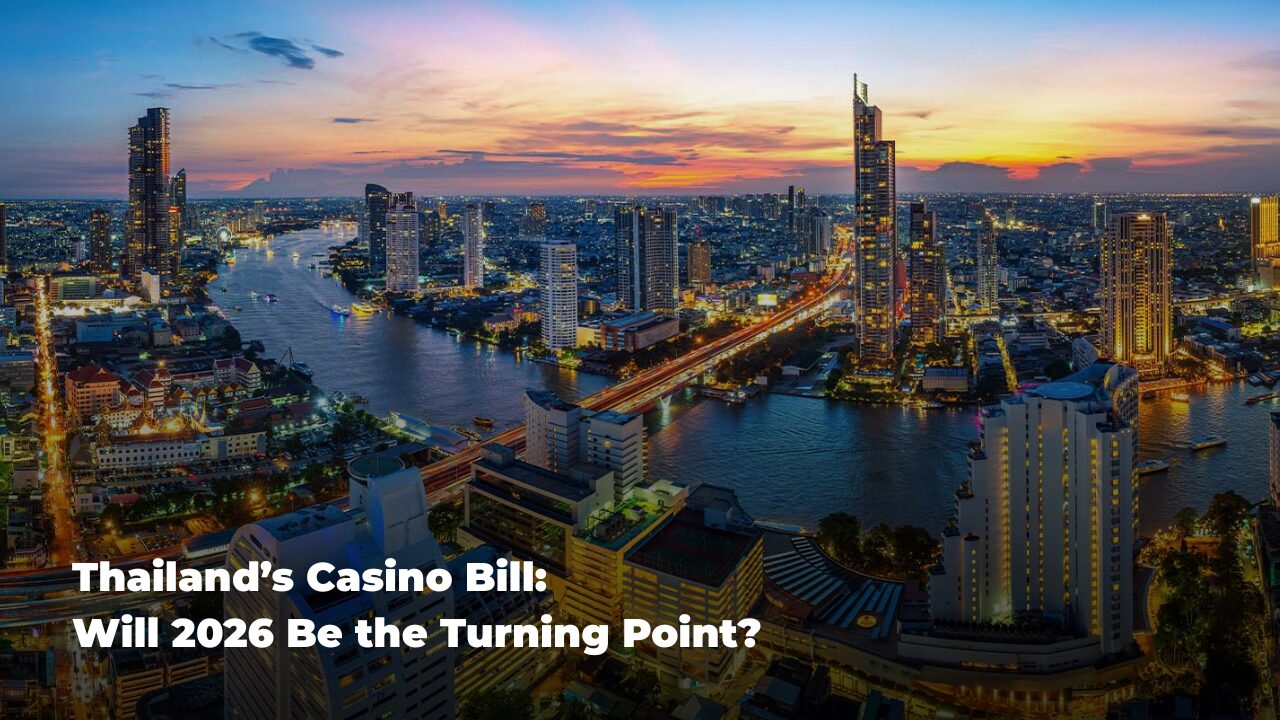
Casino gambling legalisation in Thailand could become a topic again in early 2026. Parliament’s dissolution opens doors for fresh perspectives. The upcoming elections might produce a government willing to address this prolonged debate.
In Thailand, casino issues are still at large without a clear direction. December 12, 2025, is the date that saw Prime Minister Anutin Charnvirakul dissolve the parliament. In early 2026, we will see the elections. Temporary leadership controls the country for approximately two months. This caretaker government cannot implement significant policy changes. Casino legalisation remains particularly sensitive for interim authorities.
Years of disagreement have fractured political parties on this issue. Public opinion mirrors these political divisions equally. Resolution has escaped all attempts at compromise. People remember this unresolved matter clearly. Casinos emerge as a major controversy during campaign activities. Political parties maintain rigid positions on gambling legislation. Flexibility appears absent from their current strategies. New governmental leadership must arrive before meaningful action occurs. 2026 potentially offers breakthrough opportunities for casino decisions. Extended debates might continue without definitive outcomes instead.
Political Reset Opens Space
Thailand’s political scene has cracked wide open. After months of chaos, parliament dissolved, and Pheu Thai, one of the country’s biggest parties and the loudest voice for legal entertainment complexes with casinos, found itself in rough waters. The Constitution Court took in two prime ministers who had connections to Pheu Thai, which in turn left the party at a loss for words. Also in October 2025, former prime minister Paetongtarn Shinawatra stepped down as party leader which in turn brought about a change in direction. Julapun Amornvivat took the top job, and Prasert Chantharuangthong, a seasoned hand, came back as secretary-general.
There’s a real sense that this election could steer Thailand onto a new path, especially when it comes to long-stalled economic reforms. If reformers take the reins, talks around regulated casino development will probably come back to the table. Still, nobody’s making big promises yet no party has officially said they’ll push casino legalisation if they win.
What Happened in 2025
2025 marked a crucial shift in Thailand’s prolonged casino gambling discussions. The cabinet approved the draft Entertainment Complex Bill in January. Casinos would operate exclusively within large, regulated resort complexes under this proposal. Tourist attraction, foreign investment, and employment generation drove lawmakers’ intentions with strict oversight. The legislation included stringent provisions, substantial entry fees, and financial screenings for Thai nationals, addressing addiction concerns and social impacts.
Major international casino companies took notice. Regulators put forward the issue of online gambling laws, which in turn saw wide-scale illegal betting activities die down. Also, at the same time, the Game Industry Promotion Act came into play, which put forth issues related to gambling in digital games and social media.
Progress halted unexpectedly. A conservative government assumed power later that year. Senators rejected the casino legislation and demanded a public referendum for future decisions. Politicians cited addiction risks, money laundering threats, and societal expenses. Religious authorities and civic organisations voiced strong opposition against legalisation efforts. Survey results revealed many Thai citizens questioned whether casinos suited their nation.
International and Economic Considerations
Government officials knew the casino debate wasn’t happening in a vacuum. Tourist numbers from China to Thailand’s biggest market had dropped, and leaders worried that any new policy might upset China or strain economic ties. Still, the economic pressure kept mounting. Other countries nearby had already built successful casino resorts, pulling in tourists who spend big. That competition made things tougher for Thailand. On top of that, the military conflict with Cambodia threatened to hit the economy hard.
Looking Ahead to 2026
With elections on the horizon, Thailand’s casino debate has hit pause. Still, everything done in 2025, the regulatory studies, draft laws, and public consultations are ready for whoever takes office next.
If the economy is doing poorly and we get new leaders, the casino issue will come up again. This time around, we may see in place of the present loose regulations, which we have had for a while, that the public has had little to do with, stricter rules, greater public input into decisions, and very clear casino operation policies.
Right now, legalising casinos isn’t up for discussion. Yet after months of heated arguments and a major political shakeup, early 2026 stands out. That’s when Thailand faces a fresh decision: should regulated gaming become part of its long-term economic plan?
Explore more:
 Share
Share


 217 views







 Analysis
  Blog
Blog  Business
  Companies
  Crime
Crime  Finance
  M&A
M&A  Regulation
  Reports